Softness and static-cling are real annoyances, and the products sold to fix them — liquid fabric softener and dryer sheets — work by coating your clothes in a thin chemical film. That film is the whole story: it’s what softens, and it’s also the reason to think twice, because the same coating that makes a towel feel plush is the coating that stops it absorbing water. Here’s what’s actually going on, kept honest.
What a dryer sheet is
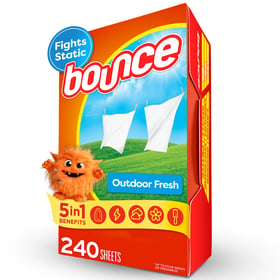
A dryer sheet is a nonwoven polyester sheet — a thin piece of plastic fabric — coated with a waxy softener (a fatty-acid or quaternary-ammonium “quat” compound) and then sprayed with fragrance. In the heat of the dryer the coating melts and transfers onto your clothes, leaving the slippery hand-feel we read as “soft” and lubricating fibers so they hold less static.
For a materials-first view, the relevant part is simple: it’s single-use plastic. The polyester carrier isn’t consumed — you throw a spent synthetic sheet in the trash after every load. (Whether the substrate also sheds microfibers is plausible but, as far as we found, not well quantified — so we won’t claim a number.)
What liquid softener is
Liquid fabric softener does the same job with different delivery. Its active ingredient is a cationic (positively charged) surfactant — modern ones are mostly esterquats — plus silicones, fragrance, and preservatives. The positive charge makes it cling to fabric fibers and deposit a lubricating film. Same outcome as a dryer sheet: a softening, anti-static coating left behind on the cloth.
What the film does to your clothes
This is the most useful section, because it’s where the evidence is clearest and least alarmist — it’s about fabric performance, not scary chemistry.
- Towels lose absorbency. The soft, slightly waxy film is water-repellent, so over repeated washes it makes towels less absorbent. This isn’t fringe advice: even softener makers tell you not to use it on towels.
- Activewear stops wicking. Performance synthetics move sweat through tiny capillary channels between fibers. The softener film coats and clogs them, degrading wicking and trapping odor — which is why so many activewear care labels say “no fabric softener.”
- It can undermine flame-resistant sleepwear. The US CPSC warns that softener residue can reduce the flame resistance of treated children’s sleepwear; follow the garment’s care label. (This applies to sleepwear that’s flame-resistant by treatment — many snug-fit cotton pajamas comply by fit instead.)
- It builds up. Because a little deposits every wash and never fully rinses out, the residue accumulates, compounding the effects above.
The health and environment picture, fairly
Here’s where it’s easy to overclaim, so we won’t.
- Quats (skin and lungs): quaternary ammonium compounds are documented skin and respiratory irritants and are associated with asthma — but the strongest evidence is in occupational settings (cleaning and healthcare workers with heavy, repeated exposure), and much of it concerns disinfectant quats, which are a different, harsher subclass than the esterquats in modern softeners. Don’t read “quats cause asthma in hospital cleaners” as “your softener will.” It’s a reason for caution if you’re sensitive, not a proven home hazard.
- Fragrance: laundry fragrances often contain terpenes like limonene and linalool, which oxidize in air into more potent skin sensitizers. This is a real cause of allergic contact dermatitis — for the subset of people who are sensitized. Most people aren’t.
- Waterways: quats are persistent, sorb to sludge, and are toxic to aquatic life; they’re increasingly flagged as an emerging class of concern. Esterquats break down more readily than the older quats, so it varies by compound.
- PFAS: we found no solid evidence that dryer sheets or softeners intentionally contain PFAS. Any presence would be trace contamination, not an ingredient — treat claims to the contrary as unsupported.
So: not “these are toxic,” but “if you have sensitive skin or a fragrance allergy, there’s a reason to skip them, and there’s a modest environmental case too.”
The alternative: wool balls, or just less
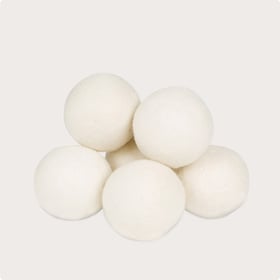
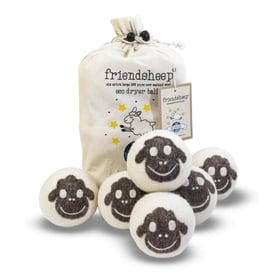
Wool dryer balls are the plastic-free swap for dryer sheets, and they work mechanically — bouncing through the load to separate fabric so it dries faster and more evenly, softening by agitation rather than a chemical film. The big upside is exactly the flip side of softener’s downside: no coating means towels stay absorbent and activewear keeps wicking.
Honest about what they do and don’t do:
- Drying time: independent testing clusters around a 10–25% reduction — real, but not the 50% some brands imply.
- Static: partial and inconsistent, and worst in dry winter air. This is the one place dryer sheets genuinely outperform them. Lower dryer heat and not over-drying help more than any ball.
- Scent: none, unless you add a few drops of essential oil to a ball (which reintroduces the fragrance-allergen question).
- Caveats: they’re an animal product (not vegan), a small number of people are wool-allergic, and they shed a little lint at first.
And the quietly important point: a lot of the stiffness and static softener is sold to fix is caused by the rest of your routine — too much detergent, hard water, and over-drying on high heat. Dose detergent correctly, try a distilled-white-vinegar rinse to cut residue, and pull laundry before it’s bone-dry, and many households find they don’t miss softener at all.
The bottom line
Occasional softener or a dryer sheet isn’t a demonstrated health hazard for most people. But a dryer sheet is single-use plastic, the film it leaves actively degrades towels, activewear, and flame-resistant sleepwear, and the softness it sells is partly a fix for problems your detergent dose and dryer heat created. Wool balls (or nothing) handle most of it — with the static exception noted — and keep your fabrics working the way they’re supposed to.