Best Plastic-Free Espresso & Pod Machines
Last reviewed September 2026
Electric espresso machines and single-serve pod brewers.
The short answer
The cleanest espresso paths are the ones with no pump. The Cafelat Robot is the community favourite and our pick overall - a manual lever with a stainless and silicone brew path and no plastic in the machine at all - with the Flair 58 doing the same at 58mm, its own support docs confirming no plastic touches the brew water. Both mean heating your own water and no steam wand. If you want a plug-in machine, the honest framing is that plastic moves to the cold reservoir rather than disappearing: the Gaggia Classic and Rancilio Silvia both run hot water through brass and steel. Treat Ascaso's "no plastic in the water path" marketing with suspicion.
Why plastic matters in espresso & pod machines
Pod machines are among the worst offenders: pressurized near-boiling water is forced through plastic (and plastic-lined pods) under pressure, and the water tank and lines are usually plastic. Traditional espresso machines vary widely - higher-end machines use a brass or stainless boiler and metal group head, but many still have a plastic water tank and internal lines. Manual lever espresso makers move the whole water path to metal.
What to look for in espresso & pod machines
- Manual lever espresso makers (all-metal water path, no electronics) are the plastic-free route - you pour your own hot water in
- On electric machines, separate the HOT/brew path from the COLD tank - many prosumer machines run brew water through brass/steel but store cold water in a plastic reservoir
- Metal boiler and group head (brass/stainless) rather than a plastic thermoblock where possible
- Read "stainless water circuit" claims closely - volumetric machines can still have a plastic flowmeter body in the water path (e.g. Ascaso)
- Avoid pod systems - pressurized hot water through plastic pods and lines is the worst case
Recommended espresso & pod machines
Every product here we'd actually suggest — best-in-class picks first, then the rest by how plastic-free they are.
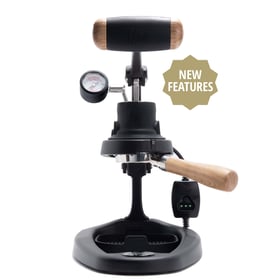
58
A 58mm manual lever espresso press with an all-stainless brew path and silicone seals - Flair's own support docs confirm no plastic contacts the brew water.
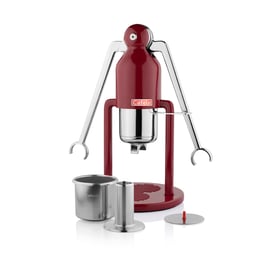
Robot
A manual lever espresso maker with a stainless-steel and silicone brew path and no plastic in the machine - the plastic-free community's favorite way to pull real espresso.
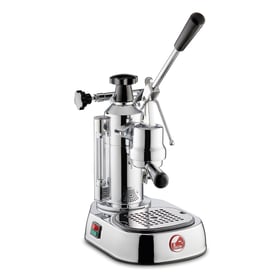
Europiccola
A classic chrome-and-brass lever machine - brew water contacts only chromed brass, with the only plastic a Bakelite lever knob that never touches water.
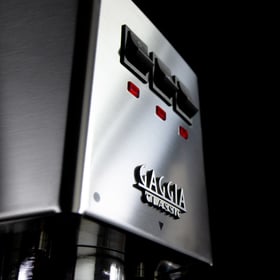
Classic Pro / Evo
A brass-boiler prosumer machine whose heated brew path is metal - brass boiler, brass group, stainless portafilter - with plastic confined to the cold-water reservoir.
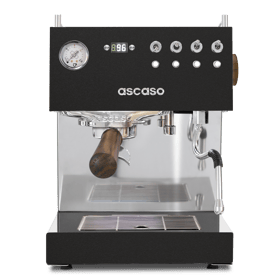
Steel DUO / UNO
A compact prosumer machine marketed on a stainless-steel water circuit - the cleanest electric espresso option here, but the "no plastic in the water path" claim is overstated on volumetric models.
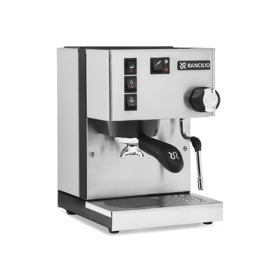
Silvia
A brass-boiler, brass-group home machine built from commercial parts - brew water flows through brass and steel, with plastic limited to the cold reservoir.
| Product | Rating | Touches your food | Price | Made in |
|---|---|---|---|---|
 Flair Espresso 58 Best Lever Flair Espresso 58 Best Lever | Silicone ·Stainless Steel | $$$$ | China | |
 Cafelat Robot Best Overall Cafelat Robot Best Overall | Silicone ·Stainless Steel | $$$$ | China | |
 La Pavoni Europiccola Best Classic Lever (Electric) La Pavoni Europiccola Best Classic Lever (Electric) | Brass ·Stainless Steel | $$$$ | Italy | |
 Gaggia Classic Pro / Evo Best Pump Machine (Brass Boiler) Gaggia Classic Pro / Evo Best Pump Machine (Brass Boiler) | Plastic ·Brass ·Stainless Steel | $$$$ | Italy | |
 Ascaso Steel DUO / UNO Best Electric (No-Plastic Water Path) Ascaso Steel DUO / UNO Best Electric (No-Plastic Water Path) | Plastic ·Silicone ·Stainless Steel ·Aluminum | $$$$ | Spain | |
| Plastic ·Brass | $$$$ | Italy |

Espresso & pod machines to avoid
Popular options that look plastic-free but aren't — and whole categories worth skipping.
Breville Barista Express (BES870XL)
The stainless exterior and steel portafilter read premium, but the 67oz water tank and the bean hopper in the path are plastic - so it isn't the plastic-free machine its looks suggest. The espresso-machines category has no pick; for an automatic machine with a plastic-free brew path see the Simply Good Coffee Brewer in drip machines.
Keurig K-Classic (K50/K55)
This is the worst-case coffee method for plastic-and-heat contact - cold water in a plastic tank, near-boiling water pumped through plastic tubing and a plastic pod holder, into a plastic-lined K-Cup. The espresso-machines category has no pick; for an automatic machine with a plastic-free brew path, see the Simply Good Coffee Brewer in drip-machines, or brew manually.
Nespresso VertuoPlus (ENV150)
Same offender class as Keurig - a plastic water tank and internal plastic lines feed hot water through a capsule spun inside a plastic assembly. The espresso-machines category has no pick; for an automatic machine with a plastic-free brew path see the Simply Good Coffee Brewer in drip machines, or brew manually.
Rancilio Silvia
A superb brass-boiler, brass-group home machine - brew water flows through brass and steel, with plastic limited to the cold reservoir, so it is genuinely low-plastic in the water path. It just lands a notch behind the Gaggia Classic on value for the same essential brass-path story, and behind the manual levers on being fully plastic-free. See its page.
Common questions about espresso & pod machines
Is there a fully plastic-free option for espresso & pod machines?
Not completely. None of the 6 espresso & pod machines we recommend is free of both plastic and silicone. Flair Espresso 58 and Cafelat Robot come closest, being plastic-free apart from silicone parts such as seals and gaskets.
Which espresso & pod machines do you recommend most?
Of the 6 espresso & pod machines we recommend, Flair Espresso 58 takes Best Lever, Cafelat Robot takes Best Overall and La Pavoni Europiccola takes Best Classic Lever (Electric).
Which espresso & pod machines should you avoid?
Among the espresso & pod machines we have reviewed, we do not recommend Breville Barista Express (BES870XL), Keurig K-Classic (K50/K55) and Nespresso VertuoPlus (ENV150). We also suggest skipping Rancilio Silvia.